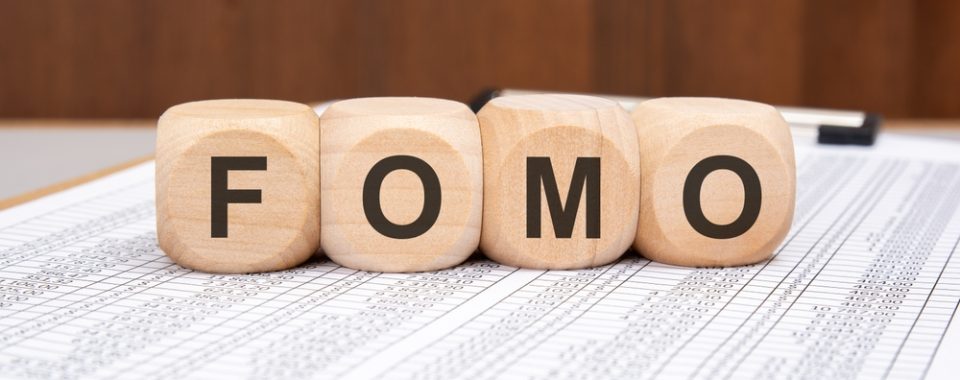
In today’s fast-paced digital landscape, consumer decisions are rarely driven by logic alone. Instead, they are heavily influenced by psychological triggers—two of the most powerful being fear and FOMO (Fear of Missing Out). These emotions tap into deep-rooted human instincts, shaping how people perceive value, urgency, and opportunity.
When used strategically and ethically, fear and FOMO can significantly increase engagement, conversions, and customer action. However, understanding why they work—and how to implement them properly—is essential for building sustainable, long-term marketing success.
The Psychology Behind Fear and FOMO
Fear is one of the most primal human emotions. It is designed to protect us by alerting us to potential risks or losses. In a consumer context, fear often manifests as:
- Fear of making the wrong decision
- Fear of losing money
- Fear of missing an opportunity
- Fear of falling behind others
FOMO, on the other hand, is a more modern extension of fear. It is the anxiety that others are experiencing something valuable while you are not. This feeling is amplified in the digital age, where social media constantly exposes consumers to what others are doing, buying, and experiencing.
Together, fear and FOMO create a powerful psychological push that can drive immediate action.
Why Fear Drives Consumer Behavior
1. Loss Aversion Is Stronger Than Gain
One of the most important principles in behavioral psychology is loss aversion. People are more motivated to avoid losses than to achieve gains.
For example, the idea of “losing $100” feels more impactful than “gaining $100.” In marketing, this translates into messaging that emphasizes what customers stand to lose if they do not act.
- Missing out on savings
- Overpaying later
- Falling behind competitors
This type of framing creates urgency and encourages faster decision-making.
2. Fear Reduces Indecision
When consumers are uncertain, they often delay decisions. Fear introduces a sense of consequence, which pushes them out of indecision.
For instance:
- “Prices increase tomorrow”
- “Limited spots available”
- “Offer expires soon”
These messages reduce hesitation by making the cost of inaction clear.
3. Fear Highlights Risk and Protection
Fear-based messaging is especially effective when it positions your product or service as a solution to a problem or risk.
Customers are more likely to act when they feel protected or secure.
- Financial security services
- Health and safety products
- Legal and compliance solutions
In these cases, fear is not manipulative—it is informative and protective.
How FOMO Amplifies Buying Behavior
1. Scarcity Creates Value
When something is perceived as scarce, it becomes more desirable. FOMO leverages this principle by emphasizing limited availability.
- Limited-time offers
- Low stock alerts
- Exclusive access
Scarcity increases perceived value and encourages immediate action.
2. Social Proof Reinforces Desire
FOMO is closely tied to social proof. When people see others engaging with a product or service, it validates its value.
- “Thousands of customers already joined”
- “Best-selling product”
- “Trending now”
This creates a sense that “everyone else is doing it,” which increases the pressure to participate.
3. Urgency Accelerates Decisions
FOMO thrives on urgency. When consumers feel that an opportunity is fleeting, they are more likely to act quickly.
- Countdown timers
- Flash sales
- Limited enrollment periods
Urgency removes the comfort of waiting, forcing a decision in the present moment.
4. Exclusivity Builds Desire
People want what they cannot easily have. Exclusive offers make customers feel special and prioritized.
- Members-only deals
- Early access opportunities
- Invite-only experiences
This emotional appeal strengthens brand connection and increases conversions.
The Intersection of Fear and FOMO
While fear and FOMO are powerful individually, they become even more effective when combined.
For example:
- “Only 5 spots left—don’t miss your chance”
- “Prices increase after today”
- “Join now before it’s too late”
These messages simultaneously trigger fear of loss and fear of missing out, creating a strong motivation to act.
However, the key to success lies in balance. Overusing these tactics can lead to skepticism or fatigue.
How to Use Fear and FOMO Ethically
1. Be Honest and Transparent
False scarcity or misleading urgency can damage trust. Always ensure that your messaging reflects reality.
- If something is limited, it should truly be limited
- If an offer expires, it should not reappear immediately
Authenticity builds long-term credibility.
2. Focus on Value, Not Pressure
Fear and FOMO should highlight genuine value, not manipulate customers into rushed decisions.
The goal is to guide—not force—the decision-making process.
3. Combine with Positive Emotions
While fear and FOMO are effective, they work best when balanced with positive emotions like trust and excitement.
This creates a well-rounded experience that feels motivating rather than overwhelming.
4. Align Messaging with Customer Needs
Different audiences respond to different triggers. Understanding your target market allows you to tailor your approach effectively.
- Some audiences respond more to urgency
- Others prioritize security and reassurance
Customization increases effectiveness and relevance.
Practical Applications in Marketing
Website Optimization
- Display real-time stock levels
- Highlight limited-time offers
- Use subtle urgency cues on key pages
Email Campaigns
- Send reminders before offers expire
- Use subject lines that emphasize urgency
- Highlight what customers will miss
Social Media Marketing
- Showcase trending products or services
- Leverage user-generated content
- Create time-sensitive promotions
Sales Funnels
- Incorporate scarcity at key decision points
- Use testimonials to reinforce social proof
- Create limited-time bonuses
Common Mistakes to Avoid
Overusing Urgency
If everything is “limited,” nothing feels truly valuable. Overuse reduces effectiveness.
Creating False Scarcity
Customers quickly recognize inauthentic tactics, which can damage brand trust.
Ignoring Long-Term Impact
Short-term conversions should not come at the expense of long-term relationships.
Focusing Only on Pressure
Without value, fear-based tactics feel aggressive and can push customers away.
The Long-Term Role of Fear and FOMO in Strategy
When integrated into a broader marketing strategy, fear and FOMO can be powerful tools for growth. However, they should not operate in isolation.
The most successful brands use these triggers as part of a larger framework that includes:
- Strong brand positioning
- Consistent messaging
- High-quality customer experience
- Long-term relationship building
This ensures that emotional triggers enhance—not replace—the overall strategy.
How we can help
At Golden Seller Inc., we go beyond surface-level marketing tactics by integrating behavioral psychology and long-term strategy into every campaign we design. As one of the top-ranked digital marketing firms in California and the United States, we specialize in helping businesses leverage powerful psychological triggers like fear and FOMO in a way that drives sustainable, high-ROI growth.
Our approach is not about short-term spikes—it is about building systems that consistently convert by understanding how your audience thinks, feels, and makes decisions. From crafting high-converting messaging to optimizing funnels and customer journeys, we ensure every element of your marketing works together to maximize performance.
If you are ready to move beyond basic marketing and implement strategies rooted in real consumer psychology, Golden Seller Inc. provides the expertise, insight, and execution needed to help your business scale with confidence and long-term success.